Ever wondered how big London is?
Covering around 1572 square kilometers, London stretches from Royal Docks in the east to Richmond in the west, from Hampstead in the north to Crystal Palace in the south. But no matter how enormous the city looks on a map, once you get a grip on its transport network, getting around London can be a piece of cake.
The city has an extensive transport network including the Underground, buses, river services, black taxis, trains, and cycling routes. But, you don’t need to master everything about London transportation system here… the trick is simply knowing when to use which mode of transport. Once you understand that, navigating London will be a pretty easy for you.
In this guide, you will get everything you need to know about how to get around London… starting from best transport options, payment methods to London Zones. So, yeah, read the blog thoroughly to make the best of your London trip.
Come on. Let’s start.
The Best Ways to Get Around London
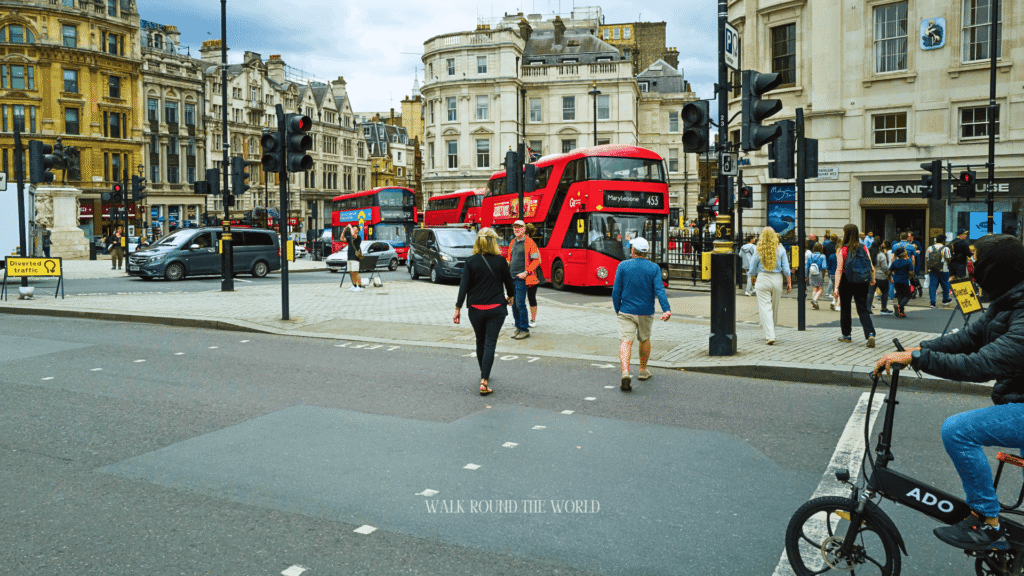
The first thing you need to know is… It’s TfL, or Transport for London , which operates the entire public transport network of the city. Trams, Buses, the Tube, London Overground, DLR… everything falls under this TfL.
However, wth all these options, it becomes quite difficult to decide when to choose what. So, I am gonna add this following table on the best way to travel around London .
| London transport | Best for |
| Tube | Central London and beyond. |
| Bus | Sightseeing and shorter journeys. |
| Walking | Historic neighborhoods and Central London especially |
| Elizabeth line | Fast journeys across London and to/from Heathrow Airport |
| Overground | Areas beyond the London Tube network |
| DLR | East London, Docklands, and Greenwich. |
| River Bus | Scenic journeyes along the River Thames. |
| Black cab/taxi | Door-to-door journeys, late night/ early morning trip and heavy luggage. |
| Trains | Longer journeyes ( for day trippers mainly ) |
Still not sure which option is right for you? Don’t worry.
I am gonna break down each of these mode of transport for you next.
One thing to remember here, you have to combine different modes of transports for getting around London. The secret to traveling in a city like London is that you can’t depend on one single mode of transport always.
Let’s begin with the most popular one.
1. London Underground ( Tube )
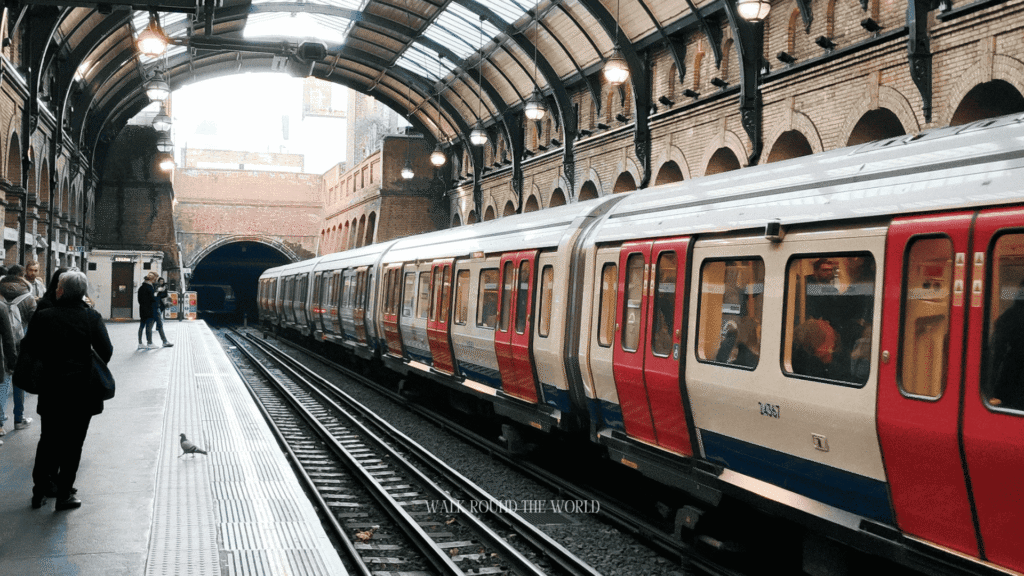
Undoubtedly, it’s the fastest way around the city.
Generally, the Tube runs from 5 am to midnight. And for Friday and Saturday nights, there are special Night Tube services. The London Underground has 11 lines, which cover most of the Greater London. There’s the Bakerloo line, Circle line, Victoria line, District line, and so on. And to make it easier for you, there are different colors assigned to different lines. That’s really helpful!
For example, if you want to go from King’s Cross to Leicester Square, pick the dark blue Piccadilly Line tube. And for Westminster to London Bridge, take the grey Jubilee line.
By the way, if you are staying in Central London, the Tube will probably become your main mode of transport. Though it is possible to walk around central London, the tube is more practical, especially when you are in a hurry.
How to use the London Tube
While at the station, first follow the sign for your line and destination. Then, check if you are travelling in the right direction. Touch your Oyster card or contactless card on the yellow reader. Once inside, look for the correct platform and wait there for the tube.
While leaving, touch out with the same card you used earlier. Here, you must use one single payment method for the whole journey. Otherwise, you may end up paying more.
2. London Bus
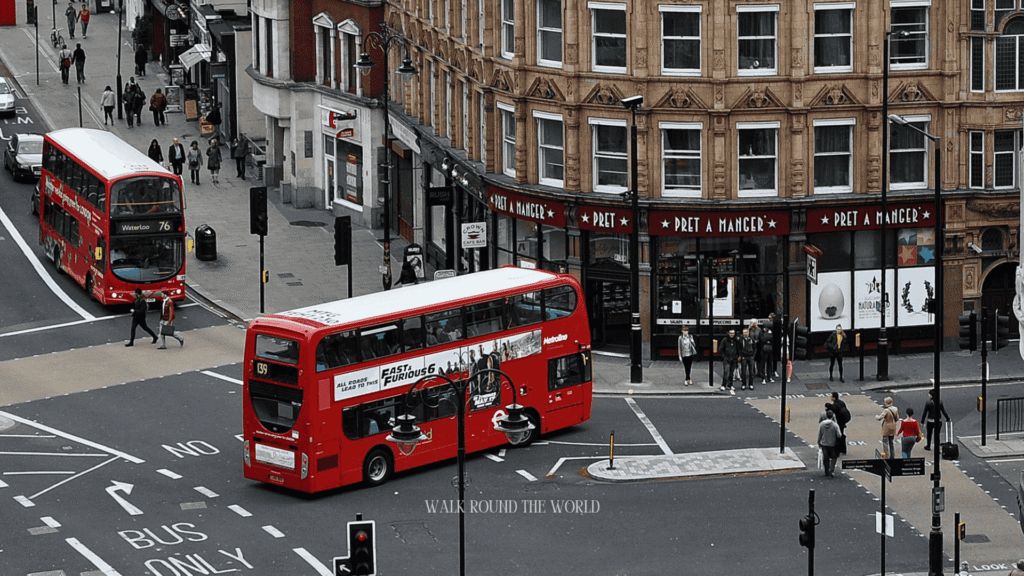
Yes, the famous red buses of London.
Despite being iconic, these London buses are actually very useful when it comes to exploring the city. They take you past those London streets, monuments, and neighborhoods that you are bound to miss when you take the tube. And if you are on busy central routes, hop on a double-decker red bus. This way, you will get a 180-degree view of the city from the top floor.
Apart from the view, there’s another reason to go for the bus. Any idea?
Well, the Hopper fare.
The best thing about the hopper system is that it allows you to enjoy unlimited bus and tram journeys for one hour after the first touch-in. It’s only a single fare you pay for that whole one hour of journey. No doubt, bus is the cheapest way to get around London.
Also, on London buses, there’s no concept of cash fares. Remember that, okay? Either use your phone or card.
And if you are visiting London for the first time, I would say, consider bus as a London public transport only for short journeys and when you have plenty of time. On high-frequency routes, you will be waiting 5 to 12 minutes for a bus, whereas for outer London routes, you might end up waiting up to 30 minutes.
3. Walking
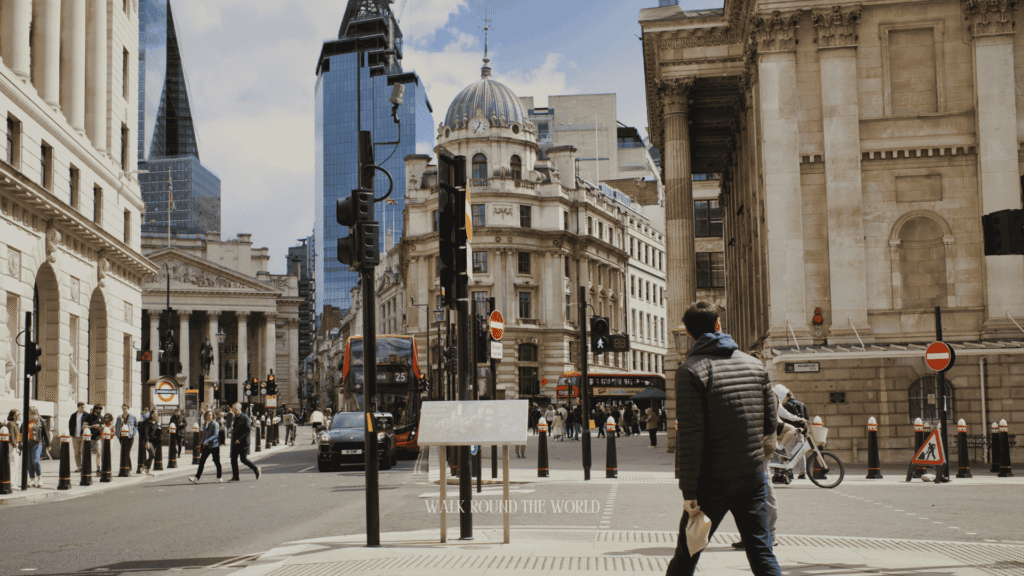
While in London, don’t underestimate walking.
Though you can’t go everywhere on foot, you can definitely explore the city a lot better if you are simply walking.
And the best area of London to explore on foot would be… Central London. It’s obvious, right? Almost every famous landmark is surprisingly close together here.
Also, walking around London will reveal to you other things in between these attractions. Who knows, you might pass a centuries-old pub, a narrow alley, a hidden courtyard, a blue plaque, or an unexpectedly beautiful square.
While talking about these little things, I would request you to read our London pub culture guide to understand the city even better.
Now, if you decide to walk, these following areas are gonna be quite rewarding-
- Westminster and St James’s
- Covent Garden and Soho
- South Bank
- Notting Hill
- Kensington
- Camden
- Greenwich
- Mayfair
By the way, when it comes to walking, I have a rule… if Google Maps or Citymapper shows your walking time to be less than 20 minutes, then only walk. Otherwise, take a bus, tube, taxi…anything.
4. Elizabeth Line
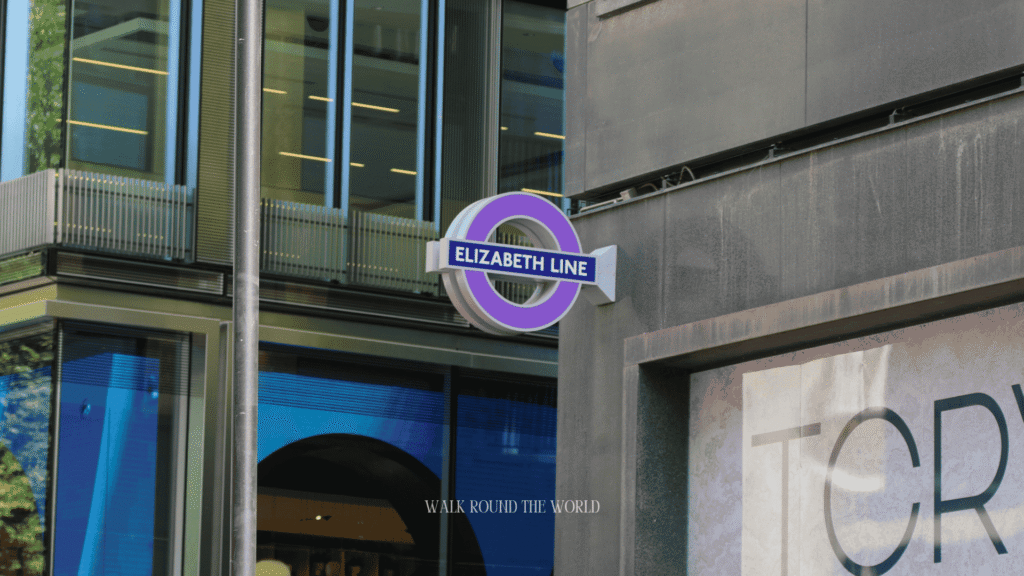
This high-capacity line has totally transformed travel across London.
Elizabeth line is directly integrated with the TfL network, stretching over 100 kilometers. Apart from providing fast connection to areas like central London, east London, this line also connects Heathrow to the heart of London. Yes.
Another thing is that this line crosses a large part of London every day. So, if you want to travel across the city or if you’re staying in the suburbs, take the Elizabeth Line instead of committing to several tube changes.
And for payment, just like tube, you can use your Oyster card or contactless card here anytime.
Although, when it comes to traveling to/from Heathrow, the Elizabeth line London adds a special airport infrastructure premium to the fare. Despite this, the Elizabeth line is much cheaper for airport connectivity compared to Heathrow Express.
5. London Overground and DLR
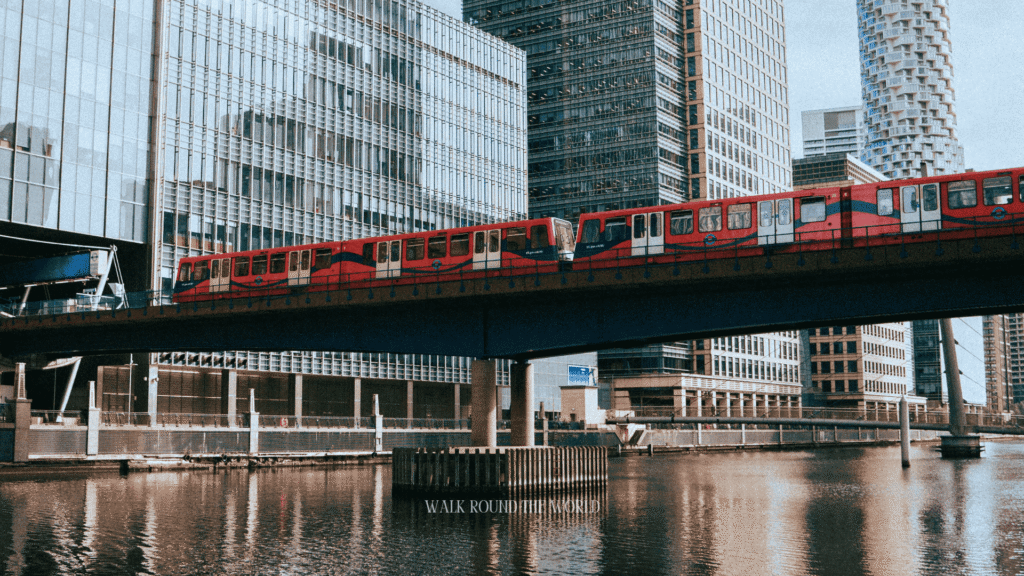
I know not many of you are familiar with these.
Whenever you are traveling beyond the traditional tube network of London, you should count on the London Overground. Though mainly used by suburban commuters and locals, this overground costs exactly the same as the London Underground.
On the other hand, the DLR, or Docklands Light Railway, is generally used by financial workers heading for Canary Wharf and airport travelers. DLR London is also very useful for day trippers exploring east and southeast London attractions… such as Greenwich, the Royal Observatory, etc. The best thing about DLR is that the train has elevated sections which allow travellers to actually see the city while it moves.
6. Thames River Bus
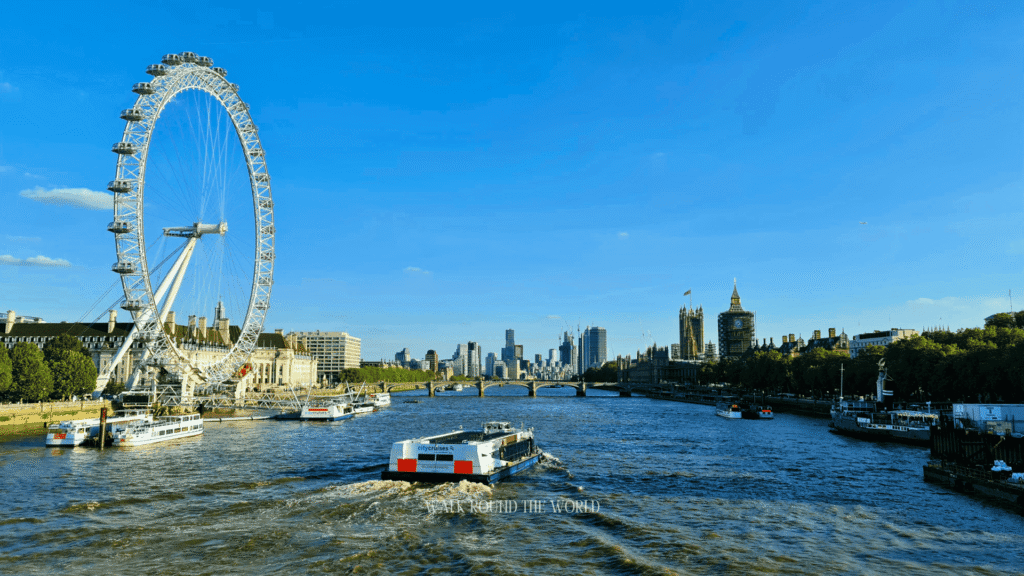
Do you want a whole different view of London?
Well, then, you definitely need to take a Thames River Bus ride during your London trip.
These Uber Boats are quite fast and act as an unforgettable scenic alternative to traditional Tube and Bus services. While on the boat, you can watch Tower Bridge, the Tower of London, the City skyline, HMS Belfast, and the London Eye pass by. Trust me, it’s gonna be unforgettable.
These River Bus services connect around 24 piers along the River Thames. If you are planning to travel on this high-speed fleet during peak hours, expect to get a boat every 10 to 20 minutes. Generally, these Thames River Bus services operate everyday, though the timing varies a little on weekdays and weekends. Here also, they accept Oyster and contactless cards.
One more thing, compared to the Tube, the Uber Boats are usually slower… but come on, that’s the whole point, right? To slow down, to enjoy the sightseeing.
By the way, if you’re planning your first trip, see our 2 Days in London itinerary for a practical route through the city’s major sights.
7. Taxis and Black Cabs
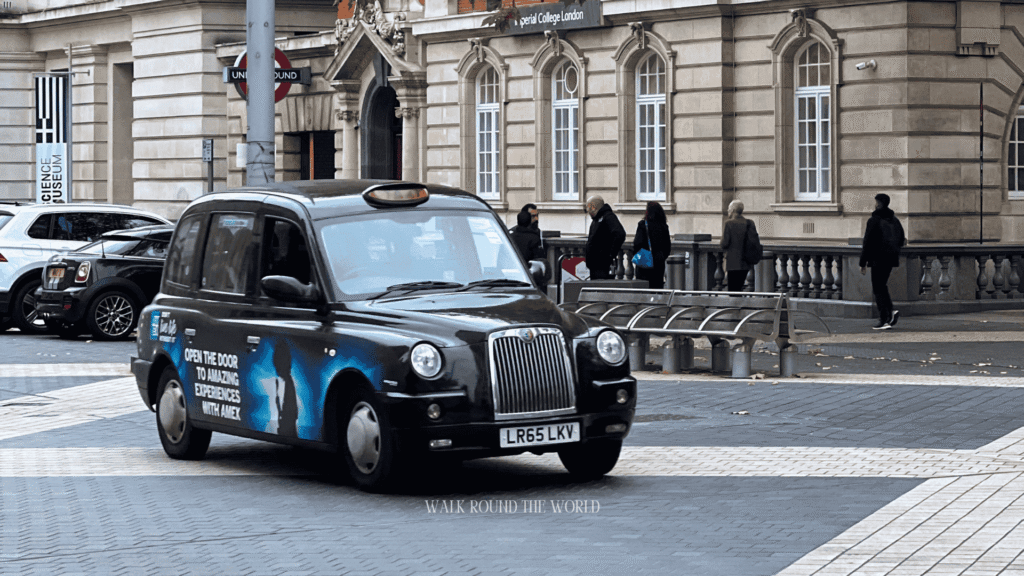
These iconic London black cabs are a global symbol of this city.
Officially known as Hackney Carriages, these black cabs/ taxis date back to 17th century… to the era of horse-drawn carriages.
You can book these cabs from apps like Uber, Gett and FREE NOW. But let me tell you, these London black cabs are way more expensive than public transport. The meter starts at £4.40, and it can even go up to £45 for rides longer than 6 miles.
Nonetheless, these cabs are very convenient. They are perfect for group travel, accommodating five to six passengers easily. And all of these cabs designed to accommodate wheelchair users.
I would say, book these black taxis when you have heavy luggage, need door-to-door transport, or are simply traveling late at night.
8. Trains
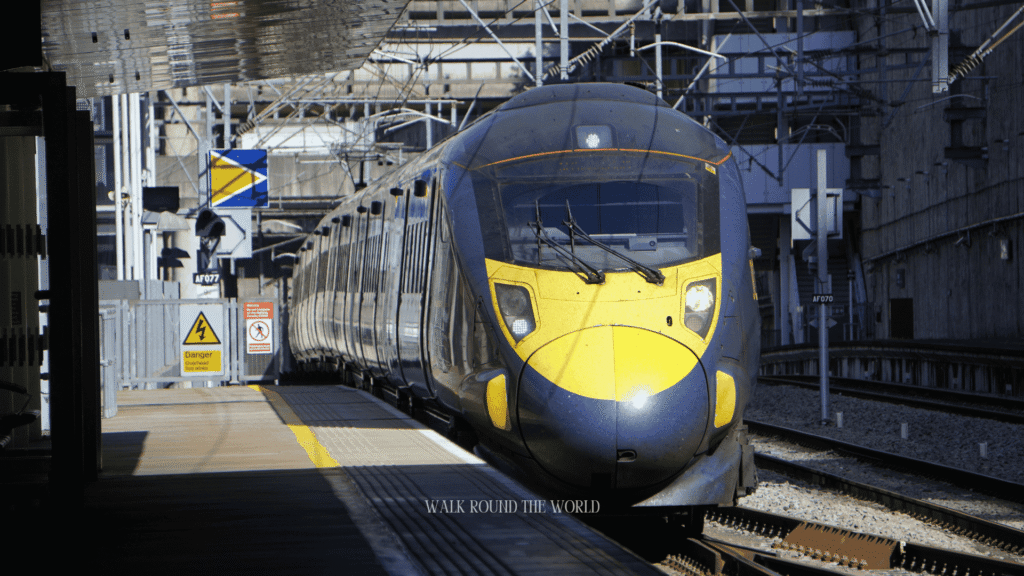
In my opinion, trains open up a world beyond London.
There are more than 300 rail stations in London, and almost all the main railway stations connect this city to the rest of England. Yes, by train you can easily take day trips to Oxford, Cambridge, Windsor, Dover, Bath, Canterbury and so many more towns.
These train journeys are quite comfortable and can save valuable time of tourists.
But one thing you should know… trains are under National Rail services, not TfL. So, rules are quite different with fares and tickets. You can visit the official National Rail site to buy e-tickets.
Also, with trains, you must be very careful with the timings and the route, especially if you are planning a longer journey. In this case, I would say see our guide to the best day trips from London for more ideas.
So, these are the major mode of transport in London… but, to confidently get around the city, you need to learn some more things.
Understanding London Travel Zones
Just like Paris and Berlin, this city also has concentric travel zones.
And there are 9 such zones in London.
- Zone 1 is the main hub for tourists as it covers several major attractions such as Tower of London, West End, Covent Garden, Westminster etc.
- Zones 2 and 3 are quite far from Central London. These zones have a balanced mix of residential areas and local attractions.
- Zones 4 and 5 are mainly dedicated to outer suburbs.
- Zone 6 is the greater London edge.
- And the rest of the 3 zones are for small areas outside the north-west part of London.
Now comes the most important part.
You know, the total daily cost for traveling by the public transport in London is managed by a capping structure. For Zone 1 and Zone 2, there’s this fixed London daily fare cap of £8.90. And when one crosses the Zone 6, the daily cap becomes £16.30.
But for buses, there is absolutely no zone system… though there’s a daily cap of £5.25 on total bus expenditure. There’re also weekly caps used by TfL’s pay-as-you-go system.
| Travel area | Daily Cap |
|---|---|
| Zones 1–2 | £8.90 |
| Zones 1–3 | £10.50 |
| Zones 1–4 | £12.80 |
| Zones 1–5 | £15.30 |
| Zones 1–6 | £16.30 |
Now, for your stay, you need to be very mindful about the zones. After all, it can leave a direct impact on your budget and travel time. If you want, you can read our travel guide on the best areas to stay in London for first-time visitors to learn more about London’s neighbourhoods.
So, do you have a clear idea of how do London travel zones work now? Let me know.
How to pay for London transport
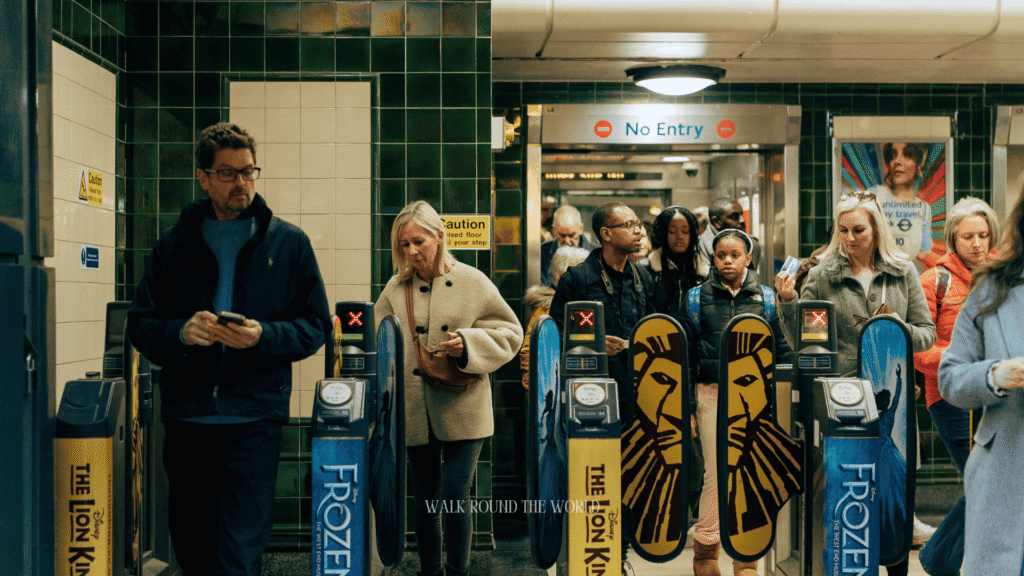
In my opinion, contactless bank cards are the best option.
But to pay for London transport through a mobile device, you can use Apple Pay, Google Pay, etc. Overseas cards can also be used, in that case, there will be some foreign transaction charges.
And if you don’t wanna use contactless cards or the mobile apps above, you should go with oyster card London. This way, you get to keep the travel expenditure totally separate from your personal bank accounts.
Now that you have a basic understanding of the London public transport, zone system and the payment methods…it’s time I give you some personal suggestions on getting around London.
Travel tips on how to get around London
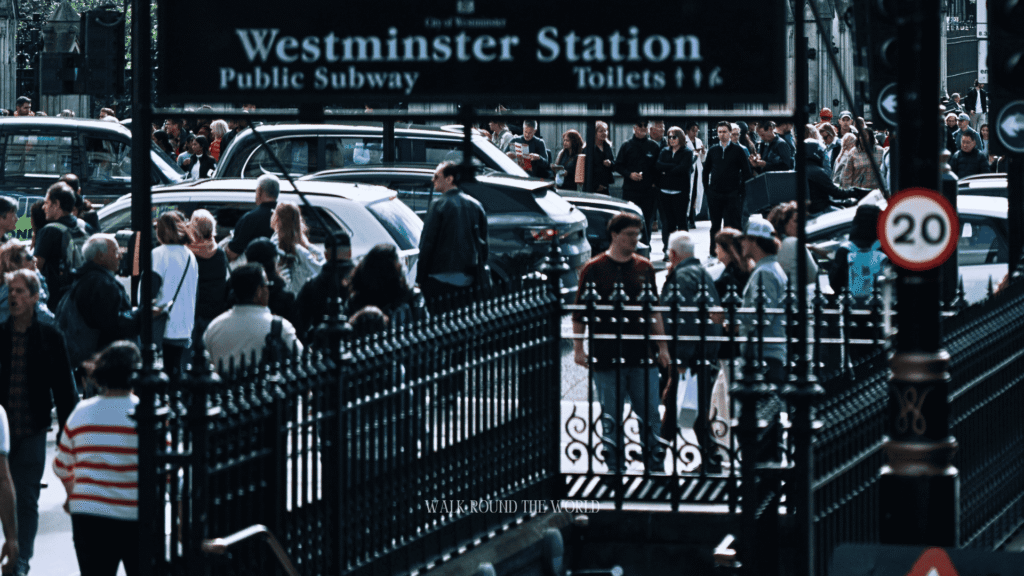
As a tourist, when you are using London public transport, there are a few things you must keep in mind, such as-
- You don’t need to buy a ticket for every single journey
- Don’t assume the Tube is always fastest. Sometimes, a 10-minute walk can beat a complicated Tube journey.
- Avoid peak hours if possible. As per TfL, the peak time for weekdays is 06:30–09:30 and 16:00–19:00.
- Keep your phone charged, especially if you want to pay on public transport with mobile apps.
- Check your route before leaving. Use the TfL Go app for journey-planning and other travel information.
- Always look for alternative routes ( if the Tube route involves multiple changes )
I hope these London transport tips will make your journey easier and smoother.
Also my advise is… don’t worry about seeing everything at once. Take the Tube when you need speed, a bus when you want to see the city, and walk whenever you can.
If you still have any doubts about how to get around London, feel free to ask me in the comments below. Will reply as soon as possible.
That’s all from me for today. I’ll be back soon with another London guide.
Until then, keep reading, keep travelling, and keep exploring.
This is Rita. Signing off.
FAQ
Is London public transport expensive?
Well, London public transport can seem expensive at first. But contactless or Oyster pay-as-you-go keeps the total costs manageable with daily fare caps.
How to travel from Heathrow to Central London?
The Elizabeth line is one of the fastest and most convenient ways to travel from Heathrow Airport to Central London. You will find such trains from Paddington and other central stations. But the Piccadilly line is a budget-friendly option for this, while Heathrow Express is faster but usually more expensive.
What zone is Central London?
Most of Central London falls in Zones 1–2, covering major tourist spots such as Covent Garden, Westminster, Soho, the City and the South Bank.
How much does London public transport cost?
For tourists, a tube journey costs around £3.10–£3.60 and it keeps varying according to route, zones, time and payment method.But after reaching the daily cap, there’s no extra charge. And for the bus, it is £1.75 per journey. There’s also a £5.25 daily bus-and-tram cap.
Leave a Reply