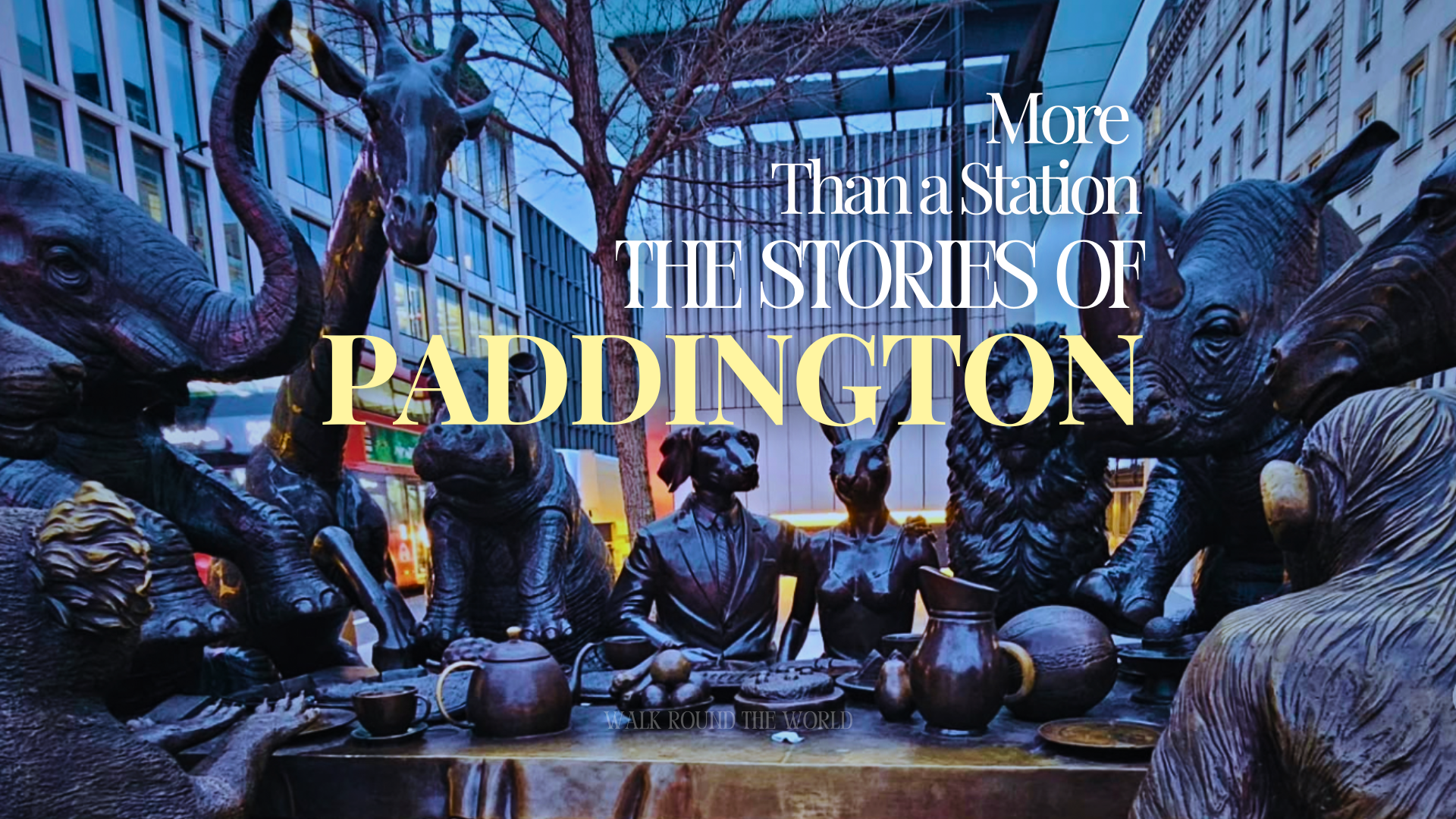
You know, Paddington Station in London is more than just a transport hub. Designed by Isambard Kingdom Brunel in the 19th century, this has witnessed royal arrivals, wartime departures, and the birth of one of Britain’s most beloved fictional characters … Paddington Bear London. This is the story of how a quiet village became one of London’s most historic railway stations.
Tell me, what’s the first thing that comes to mind when you hear the name Paddington?
I bet it’s the little bear from Peru with a duffle coat, a battered suitcase, and an insatiable love for marmalade sandwiches. Isn’t it? (Well, this is a story I’ve explored in detail in my piece on Paddington Bear in London.) But long before Michael Bond introduced Paddington Bear to the world in 1958, this corner of London was already famous…yes, it truly was.
It would be a mistake to think of it as merely a stop on a map. It’s much more than a stop. The story of Paddington Station begins long before iron rails and steam engines transformed this quiet village. I believe Paddington is the living, breathing guardian who has proudly watched the city of London grow, evolve, and thrive.
Yes, Paddington Station London is that old.
Why Paddington Station London Is More Than Just a Transport Hub
Well, over the last 200 years, Paddington has seen young Queen Victoria step off a train at Paddington Station in 1842… witnessed how the discovery of Penicillin by Alexander Fleming changed countless lives within the walls of neighbouring St Mary’s Hospital. Paddington even remembers that smile of the late Princess Diana in 1982 when the world met little Prince William. It’s extraordinary how so many of London’s landmarks, from royal platforms to the chimes of Big Ben, carry stories layered through time.
But, Paddington, at its heart, has always been about people… their journeys, their stories, and the moments that define a city like London. Its history has been written by those who have passed through its platforms.
Between those arrivals and departures of trains, Paddington has silently noticed those tearful goodbyes of soldiers heading for war and the uncertain gazes of their wives and children waiting on its platforms.… It remembers the thrill in the eyes of Victorian travellers stepping onto the platform for the first time. Paddington can tell you more about London than the city itself. It has stood as a bridge between this city’s past and present, much like Westminster Bridge in London, which has quietly witnessed its own centuries of change.
Therefore, I believe the story of Paddington isn’t just something to be read, it’s something that should be felt.
And no matter how many articles people write about the Story of Paddington Station, there’s always something more to say…and this brings you to my blog today.
Before the Rails: The Early Paddington Station History
Do you know that long before the roar of diesel engines and the hurried footsteps of commuters, the Paddington Station history started as a village located on the western fringe of London? In those early days, Paddington was just a cluster of homes, surrounded by some fields and streams outside the ancient city walls.
But this village wasn’t meant to stay quiet for long. Fate had bigger plans for it.
As London expanded, this humble village came to notice due to its position as a natural gateway to the west. Paddington offered the best of both worlds….the proximity to London and yet convenient access to the vast West Country.
Brunel Paddington Station: The Vision That Changed London
So, in the early 19th century, along came a man with his top hat and a grand vision for Paddington. He was none other than engineer Isambard Kingdom Brunel, the visionary behind what we now call Brunel Paddington Station, a defining example of Victorian railway architecture London still admires today. With the stroke of his genius, Paddington became the London terminus of the Great Western Railway (GWR) in the year 1838, connecting Bristol to the capital. And then in 1854, his next masterstroke arrived as a grand main line station…which is still there in Paddington Station London, even after 200 years.
If this Engineer were alive today, I wonder how he would feel seeing today’s Paddington station. He would feel immensely proud I imagine.
How Paddington Station London Became a Great London Transport Hub
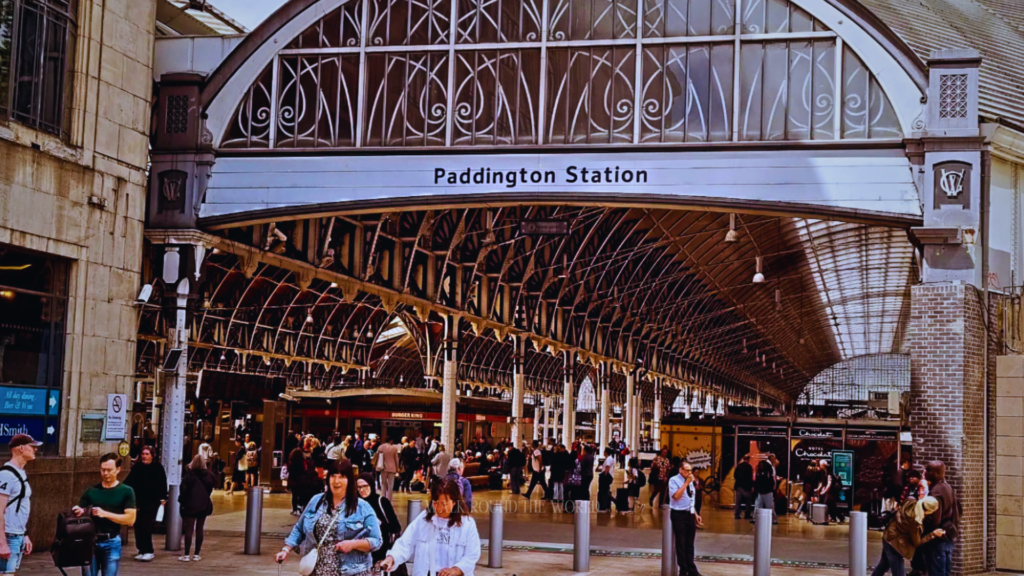
You know, Paddington’s rise into London’s ultimate connecting hub today was no happy accident at all…it was always in London’s strategic vision. As the railway network expanded with time, Paddington became the launching pad for all those journeys across England and deep into Wales.
It seems like Paddington Station London was inviting England to a modern era and it certainly looked the part with its expansive iron-and-glass train shed, which covered around 13 platforms then. Given the dates when it was constructed…Well, I believe it is no less than an engineering marvel.
The World’s First Underground Railway and London Railway Heritage
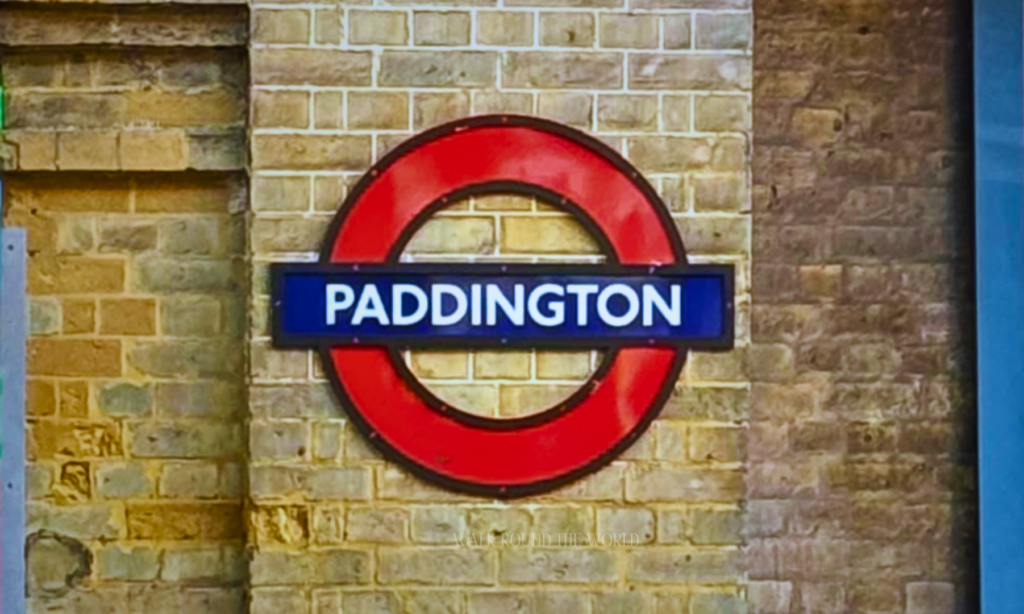
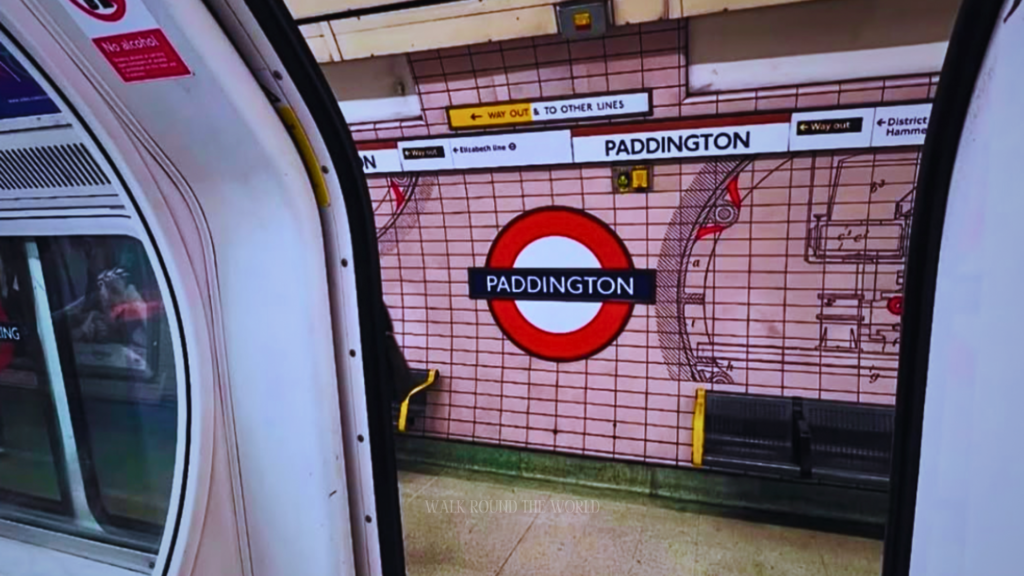
Did you know that Paddington was the starting point of the world’s first underground railway? Yes! In 1863, the Metropolitan Railway connected this station to Farringdon, marking a turning point in London railway heritage…and back then it was for steam locomotives only. Later, other underground lines such as Bakerloo, Circle, District, and Hammersmith & City lines were further integrated into the transit network of London.
Heathrow Express Paddington and the Elizabeth Line
And after all these, Paddington was not ready to stop. It dreamed something bigger.
Today, this station is known for its long-distance intercity services to the South West part of England and the South of Wales. Not only this, but one can avail passenger services from Paddington to west London and the Thames Valley also.
By 1998, Paddington entered yet another chapter of its evolution when it became the eastern terminus of the Heathrow Express.
Just imagine… you can reach Heathrow from Paddington in just 15 minutes. That was truly a dream come true for Londoners. No more ‘stuck in traffic’ when you have a flight to catch. For anyone arriving in London by air, that short journey can feel like the true beginning of the adventure… something I felt myself during my flight from Bangalore to London.
Finally, came the Elizabeth Line.
It redefined Paddington. Overnight, it became a major London transport hub, dramatically shortening the journey time for travellers. In a nutshell, the Elizabeth Line Paddington of 2022 added that missing touch of contemporary comfort to the rich history of Paddington station.
Today, Brunel Paddington Station is one of London’s most vital interchanges.
Truly, how much more can a mere station become? Seems like Paddington has never been in the mood to stop surprising London.
Brunel’s Iron Cathedral: Victorian Railway Architecture in London
I have been to this station… and like countless others, I was awestruck by its unique look. I couldn’t help but gaze up at those magnificent ceilings for a few seconds.
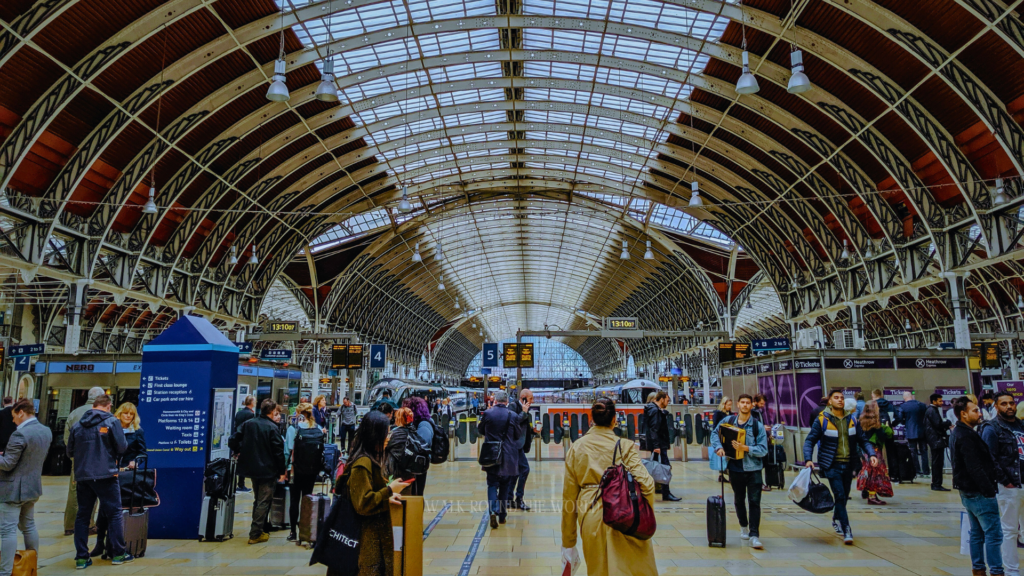
Beyond its soaring barrel vaults, the station boasts of its 200 prefabricated iron arches, allowing natural light to filter beautifully through the glass. Standing beneath those arches, you truly understand why historians consider it a masterpiece of Brunel railway architecture London celebrates to this day.
It’s fascinating to know that even in the 19th century, engineers prioritised welcoming a bit of sunshine into their constructions. What do you think?
I think Paddington is a perfect blend of functionality and aesthetics.
This eye-catching station is incredibly spacious… every day, it accommodates the constant throng of travellers stepping off at Paddington Station London. And speaking of crowd, Paddington is one of the busiest railway stations in Great Britain just like London Liverpool Street. Many travellers may ask, “Why is Paddington Station famous?” …and the answer lies in both its engineering brilliance and its cultural presence in British history.
But let’s come back to the architecture.
One might say Paddington Station is the Rolls-Royce of railway architecture…Why?
Well, I think it is luxurious in design yet built with the robustness to withstand the perils of rush hour. From its ornate stonework to its allegorical sculptures, it’s astonishing that a railway station can feature such meticulous detailing. It’s really a treat for the eyes of travellers.
For its architectural beauty alone, I’d say Paddington is worth lingering in for a few extra minutes. Nowadays, the station is not just a transit hub but a lively destination in itself. The newly added market halls bring food traders into the mix, creating a more lively atmosphere. And like many cultural corners of London…from great galleries to historic bridges… it rewards those who pause and look closer.
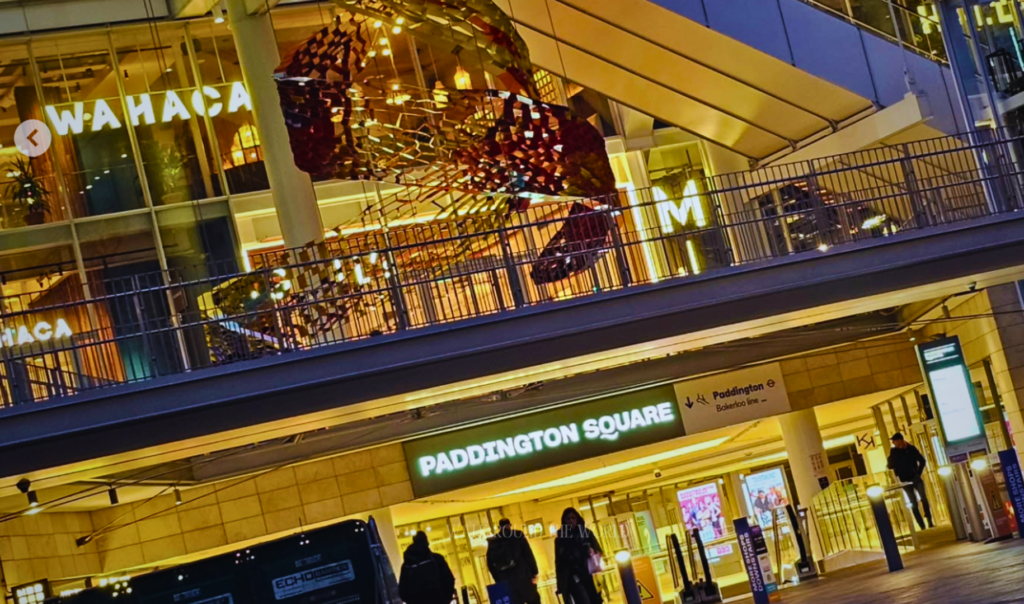
So, next time you arrive early at Paddington station, stop by M&S or Sainsbury’s to grab a bite. Then find a public bench, and enjoy the station’s grandeur while you eat. I must say, Paddington Station treats travellers with a certain sense of comfort, placing everything they might need… food, essentials, even medicines within easy reach.
Looking at the Paddington of today, one can’t help but feel proud of how it has evolved from a sleepy village into the nerve centre of London’s travel.
What a journey it has made through history and time!!!
Hidden Stories of London Stations: The Ghost of Paddington Station
Before I wrap up this article, let me leave you with something interesting about this station, something that has nothing to do with the famous Paddington bear. Though I believe the global popularity of Paddington Bear London added another emotional layer to the station’s identity, connecting literature with railway history and sparking curiosity about the true Paddington Bear origins London readers rarely explore.
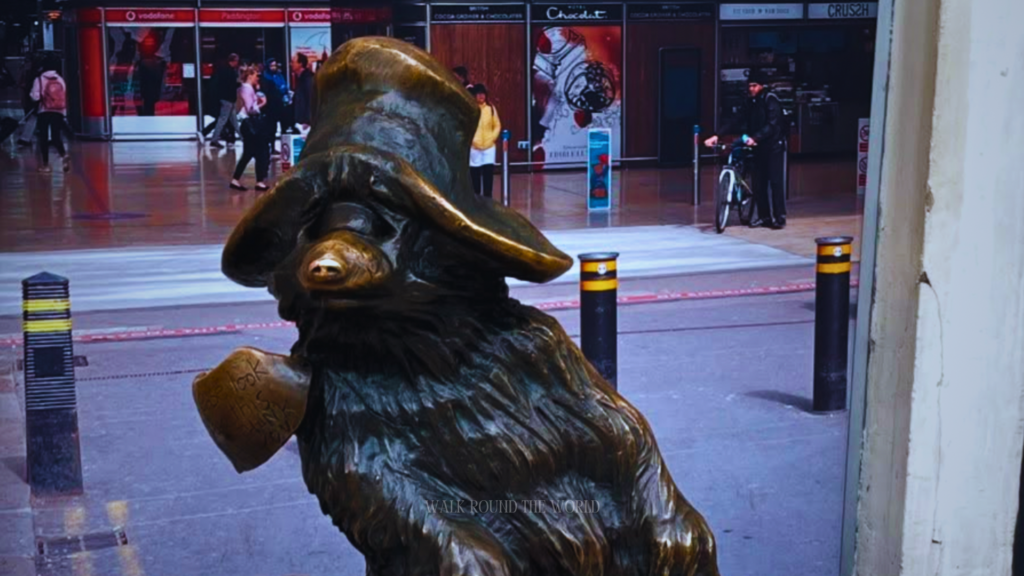
Now, you think you know Paddington?
I don’t think so. Paddington is hiding centuries of secrets in its platforms. Among the many hidden stories of London stations, the most whispered tale is the alleged ghost of Paddington Station, said to wander near Platform 1. Staff and passengers have reported sightings of a shadowy figure. Some even claim to have heard whispers and footsteps in the quiet hours of the night, long after the last train has departed. Many believe that it’s the spirit of a man who tragically lost his life on the tracks many years ago…looks like Paddington Station London has its resident ghost there on that platform.
The story is so popular that railway enthusiasts even search for the history of Paddington Station platform 1, hoping to uncover the truth behind these persistent ghost stories London railway folklore continues to pass down.
Secret Tunnels Under Paddington Station
By the way, have you heard about the mysterious underground passages right below the Paddington station? There are long-standing rumours about secret tunnels under Paddington Station, part of a network some believe connects to other forgotten corridors beneath the city…echoes of hidden tunnels London has never fully revealed. There’s even a rumour that these were secret escape routes for high-profile figures during wartime. But the full extent of these underground passages remains unknown to date.
And maybe, that is why there’s some more to these rumours….it is speculated that the passages lead to abandoned stations and even forgotten facilities.
I smell some mystery here…do you?
Let’s see what else is there…oh, there’s the rumour that during the construction of Paddington Station in the mid-19th century, a time capsule was buried somewhere within its foundations. People say that it contained letters from Brunel himself, sketches of his early train designs, and even a bottle of Victorian-era whiskey. However, despite various renovations and restorations over the years, no such capsule has ever been found… yet.
Looks like a thorough search of Paddington is needed…just imagine if the time capsule really exists!!!
When it comes to Paddington, there’s no end to such stories. There’s still more…
Is Paddington Station Worth Visiting Today?
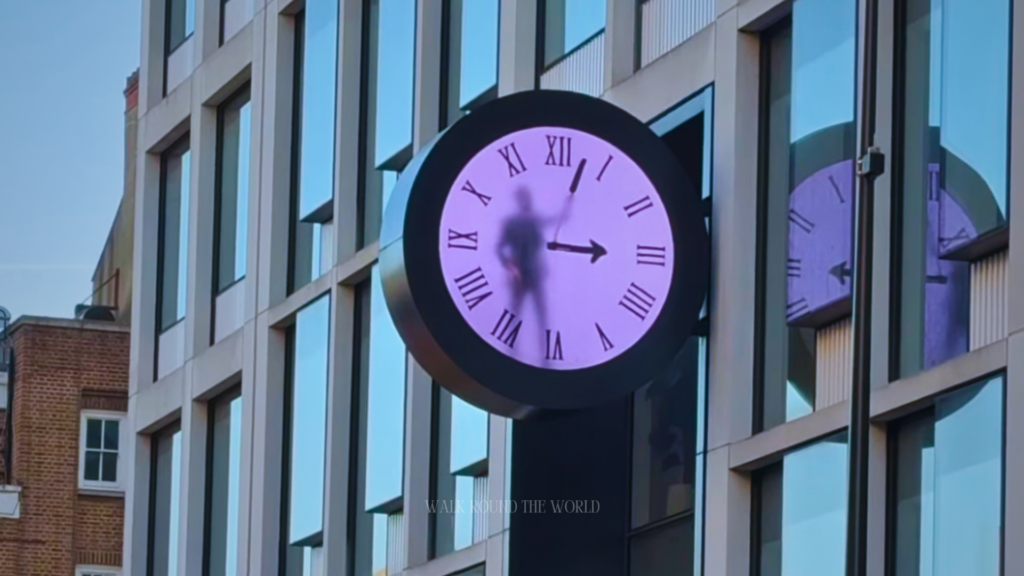
Some visitors actually wonder this, “Is Paddington Station worth visiting?”
Well, yes…if you look beyond the departure boards and pause beneath its vaulted ceiling, the answer quietly reveals itself. Looking back at the complete Paddington Station history, one begins to realise that this is not merely infrastructure… it is more of a memory cast in iron and glass.
And with that, I’ll leave you here… beneath the iron arches of Paddington.
If you are interested in knowing more about Paddington London guide and this very city, keep an eye out for my upcoming blogs or you can simply join me in one of my walking journeys through the city below.
Bye!
FAQ
Is Paddington Station the oldest station in London?
No, Paddington Station is not the oldest railway station in London. That distinction belongs to Deptford Railway Station, which opened in 1836. The original station opened in 1838 as the London terminus of the Great Western Railway, and the current grand station building was completed in 1854.
Can you visit the Paddington Bear statue in Paddington Station?
Yes, you can visit the famous Paddington Bear statue inside Paddington Station.
The bronze statue, inspired by the beloved fictional character created by Michael Bond, is located near Platform 1. It marks the very spot where the story begins… with a small bear arriving in London from Peru. The statue is free to visit and has become one of the most photographed spots inside the station, especially for families and fans of the Paddington books and films.
Why is it called Paddington Station?
Paddington Station is named after the historic district of Paddington in west London. When the Great Western Railway built its London terminus here in the 1830s, the station naturally took the name of the locality it served. Over time, the name “Paddington” became internationally recognised… not just as a place, but as a cultural symbol of London travel.
Leave a Reply